Where it all started
When I lived in Boston, I switched dentists and got a treatment plan that looked nothing like my last one. I'm an engineer, so I did what engineers do. I asked for my X-rays and started reading. Dental 101 first, then research papers. Cavities, it turns out, are harder to spot than you'd think.
I had just finished my PhD at MIT, working on AI and healthcare, and the more I read, the more I thought AI could help.
Nearly half of patients are guessing
I wasn't the only one who was lost. We surveyed 1,000 patients, and 45% said they don't fully understand their dental diagnosis. Nearly half. You're making calls about your health, your time, and your money, and you can't tell what the problem is. Meanwhile, the clinician knows exactly what's wrong. They're trying to explain it, and the gap is still there.
A comedian got this right.
We laugh because we've all been in that chair. That's where Overjet started.
What the visit should feel like
Imagine a practice where the team listens, explains what's happening in your mouth, and tells you why they're recommending a treatment. You know what it'll cost before you agree to it. When the bill arrives, it matches what you were told. No surprises. And when you leave, someone's still looking out for you.
Why we started with precision
None of that works unless the clinical side is exact. Before Overjet, measuring on a dental X-ray meant putting a calibration object in the patient's mouth. We couldn't do that for every patient, so we built a way to measure using what was already in the image. We patented it, and it led to FDA clearance in 2021. We were the first dental AI company cleared to measure on dental X-rays.
Then we turned to cavities. Size matters, because the same cavity could mean a filling, a crown, or a root canal. We worked out how to quantify it, and we became the first company cleared to measure and quantify cavities at the pixel level.
We handle patient data, and I don't take that lightly.
Once we could see, we could do
Accurate findings gave us something to build on. We built a model that ties each patient's findings, treatments, and claims together, so AI can do more than point at a problem. It can pick up the work around it.
Vision AI finds and explains what's in the mouth, and our oral score gives patients a number to understand, like a BMI or sleep score for their mouth. Voice takes the notes, charts, and letters off clinicians' plates, and it can show you how treatment is being explained across your practices. Those products give you time back. Now we want to give you more.
Meet our AI teammates
There are so many tasks your team does every day that can be automated. So today we're introducing AI teammates: AI that does real work alongside your people, in the front office, the back office, and patient care management.
The first one is Ivy, an AI insurance coordinator. She answers the second question I asked my own dentist: what will this cost me? That should be an easy answer, but anyone who works in a practice knows it takes a lot of work. Ivy does it for you. She checks benefits and eligibility, applies plan rules like waiting periods, limitations, and downgrades, looks at what the payer's guidelines require, and works out the estimate. Your team gets back to the patient, and the patient leaves knowing the bill will match what they were told.
Ivy is the first of many. We're building teammates for the front office, the back office, and care management, and we're taking the platform to payers too, so enrollment, credentialing, network management, claims, and customer service can move at the speed of care.
I think of this as a new kind of workforce. It does the work around the chair that eats your team's day, so people can do what only people can do.
Why We're All Here
I wake up every day wanting to build. Last Friday I was driving back from dropping my son at school when an idea for a product launch finally clicked. I had 15 minutes before my first meeting, so I wrote a script, made up the characters, and had Codex make me a video. By the time the meeting ended, I had a first draft to show my team. Honestly, it felt like magic.
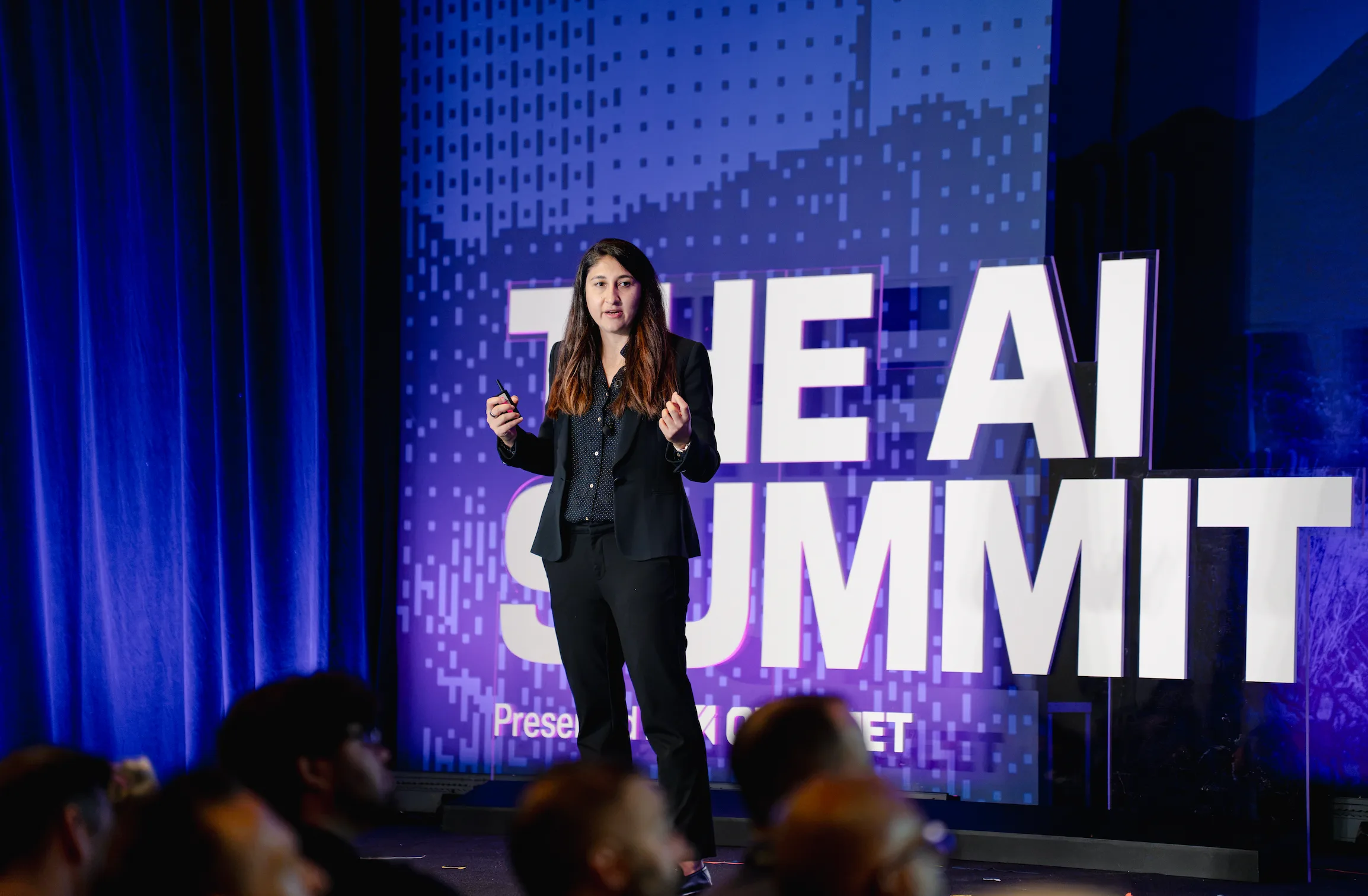
That's why we created this summit. We have tools now that can take on problems we've been stuck with for decades, and you know those problems better than we do. For the next day and a half, I want you to build with us. Challenge us. Tell us what's broken. Let's figure out together what these teammates should do, and what it takes to get to that perfect patient experience.
I started with two questions: What do I really need, and what will it cost? I want a future where they're easy to answer, and I hope we can build it together.